
- 91084 64458
- daivikscansanddiagnostics@gmail.com
- No. 93, Ground floor, Nagharabhavi circle, Banglore 560072.

Systemic Lupus Erythematosus (SLE)
Comprehensive Lupus Care at Daivik Arthritis and Rheumatology Centre
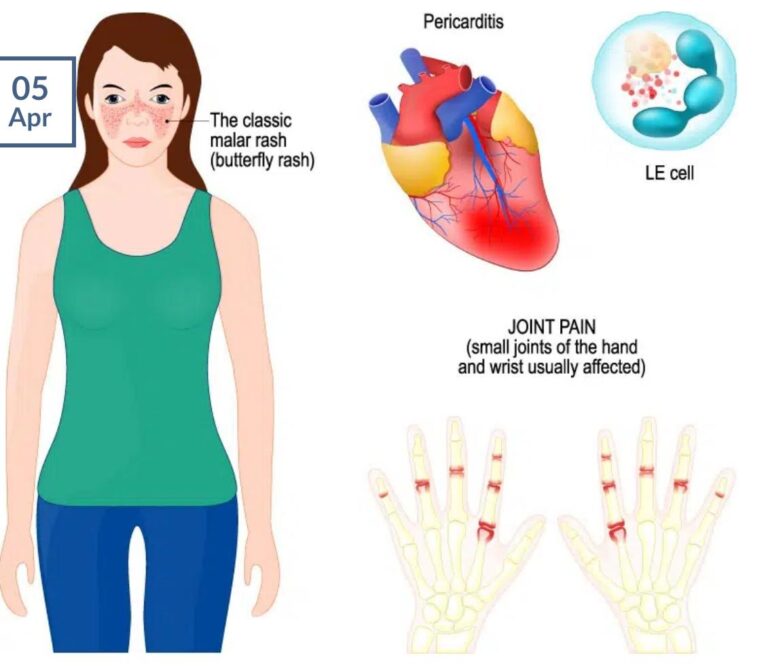
Systemic Lupus Erythematosus (SLE) is a chronic autoimmune disease in which the immune system mistakenly attacks healthy tissues and organs. This can lead to inflammation and damage in multiple parts of the body, including the skin, joints, kidneys, heart, lungs, brain, and blood cells.
🌡️ Who is Affected?
SLE can affect anyone, but it is more commonly seen in:
Women of childbearing age (between 15–45 years)
Individuals with a family history of autoimmune diseases
Certain ethnic groups (more common in Asians, African-Americans, and Hispanics)
⚠️ Common Symptoms of SLE
SLE presents with a wide range of symptoms, which can vary from person to person. Some common signs include:
Persistent fatigue and weakness
Joint pain and stiffness
Skin rashes, especially the classic “butterfly rash” across the cheeks and nose
Fever and unexplained weight loss
Hair thinning or hair loss
Mouth ulcers
Sensitivity to sunlight (photosensitivity)
In severe cases, involvement of internal organs like the kidneys (lupus nephritis), lungs, or nervous system
🧪 Diagnosis at Daivik
At Daivik Arthritis and Rheumatology Centre, our experienced team, led by Dr. Praveen Kumar M, uses a combination of:
Clinical evaluation
Blood tests (ANA, anti-dsDNA, complements, etc.)
Urine analysis
Imaging and organ-specific assessments (e.g., kidney function tests)
We focus on early diagnosis to prevent complications and organ damage.
🩺 Treatment and Management
SLE is a chronic condition, but with proper treatment, most patients can lead a normal, healthy life. Management at Daivik includes:
Anti-inflammatory and immunosuppressive medications (e.g., steroids, hydroxychloroquine, DMARDs)
Monitoring and protecting organ function
Lifestyle modifications and patient education
Regular follow-up to track disease activity and adjust treatment accordingly
💡 Our Approach
At Daivik, we offer a multidisciplinary, personalized care plan to manage lupus effectively. From symptom control to preventing flare-ups and protecting long-term health, we are with you at every step.
Recent Blogs
How can we help you?
We’re just a message away—reach out for more information!